
Nano-ceramic film
ThermaCore Nano-Ceramic: our flagship window film
ThermaCore is the name of the HeatNox film line, and ThermaCore Nano-Ceramic is our everyday heat-and-glare film. It uses ceramic particles instead of metal, so it keeps a clear, neutral look on your glass. Exact figures for the roll we supply are given on its specification sheet at quote.
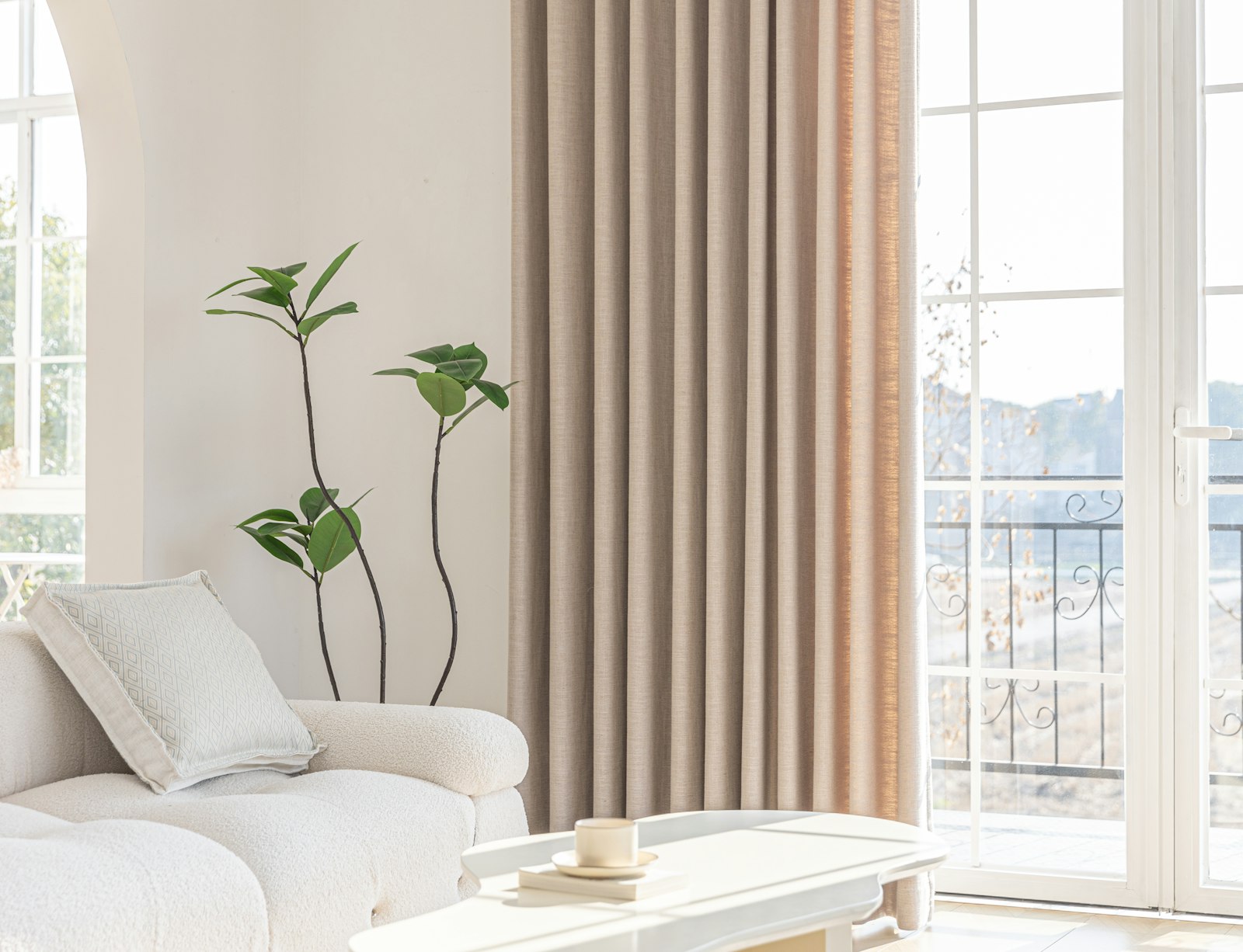
- Cuts solar heat while keeping the view
- A strong first choice for most homes
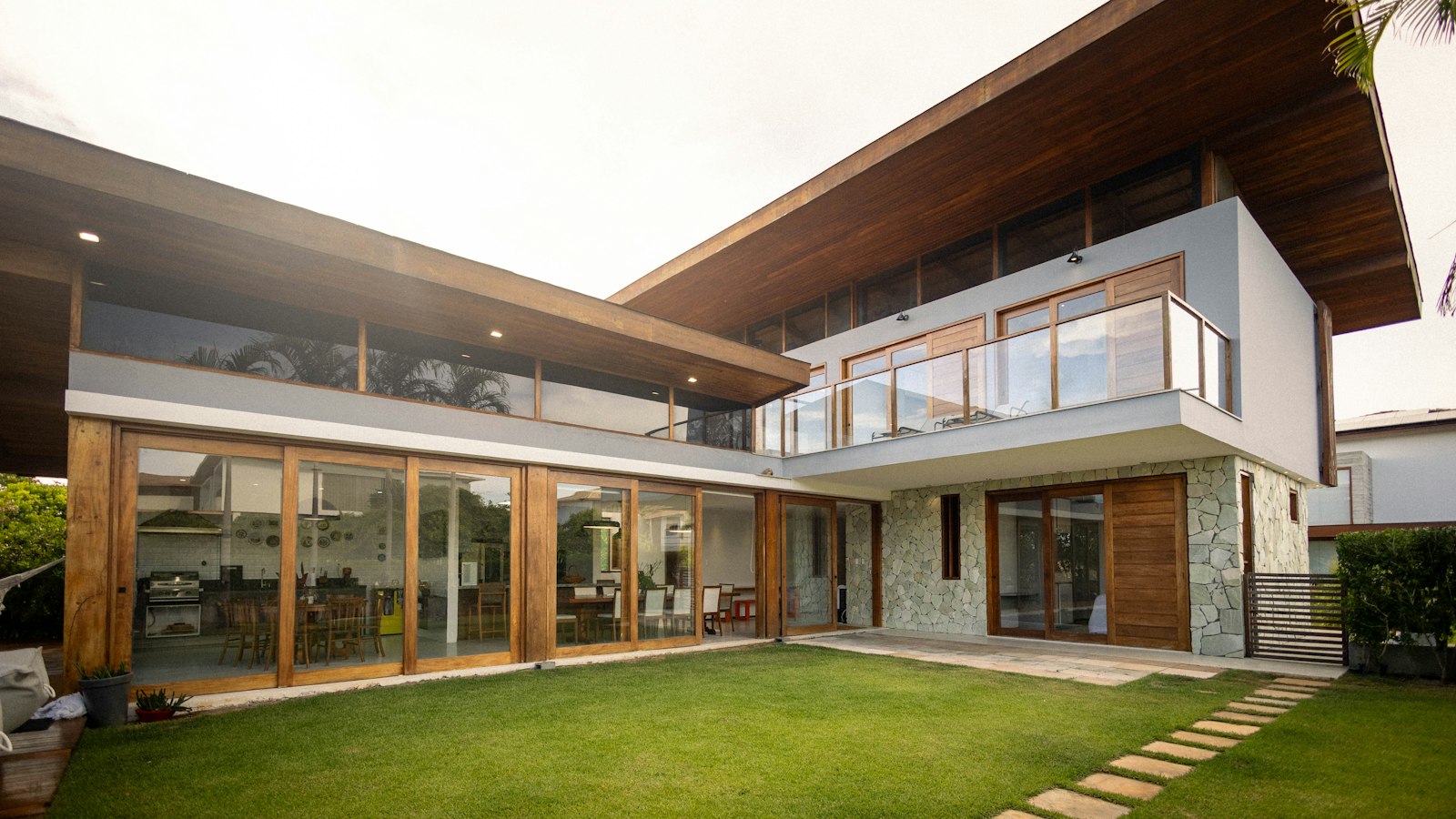
- Reduces hot spots near large windows
- Clear, neutral look from outside
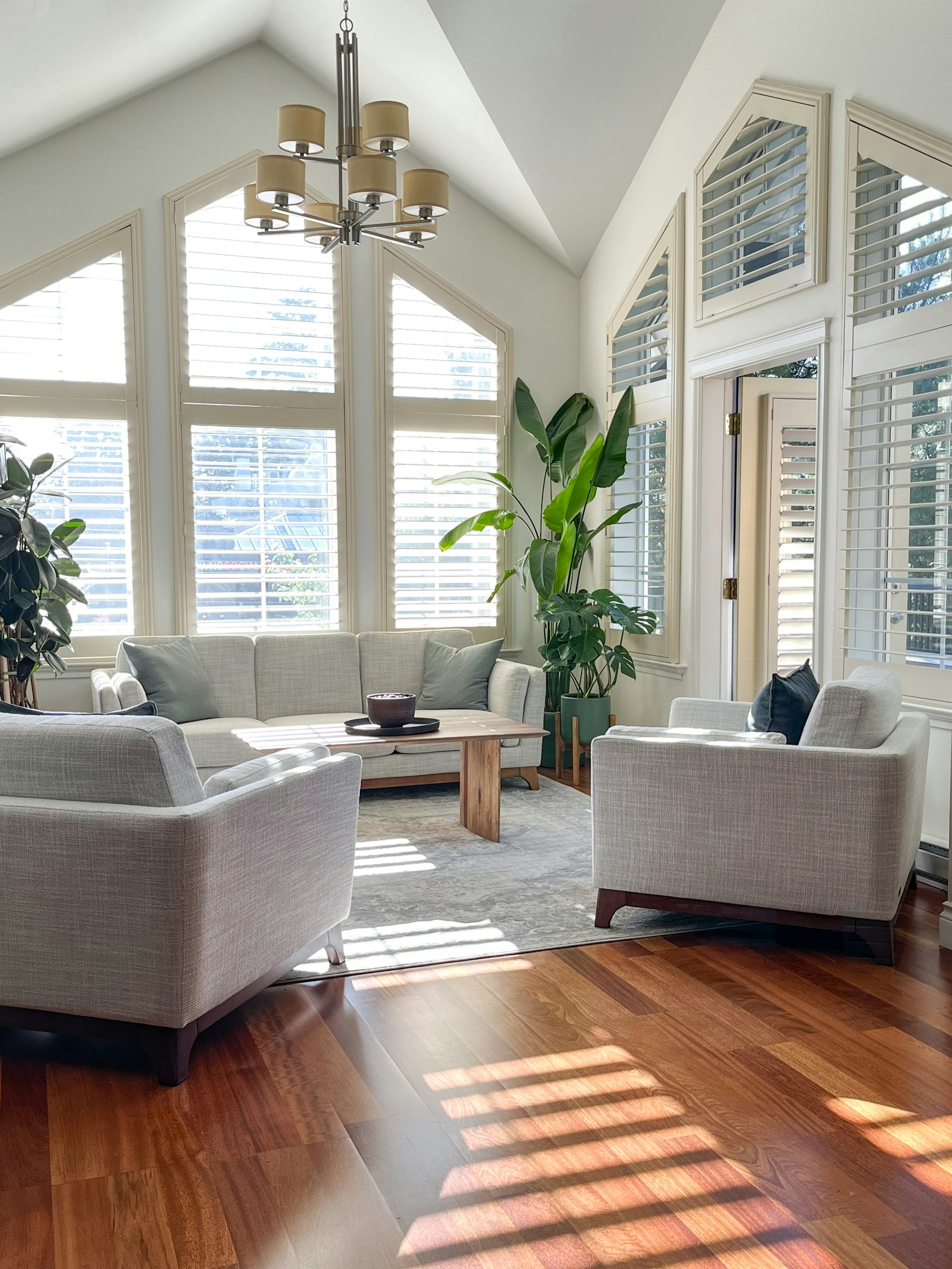
- Does not add a mirror or dark tint look
- Keeps natural light in the room
What “nano-ceramic” means
Some other films use dyes or metal layers. ThermaCore Nano-Ceramic uses very small ceramic particles in the film. These particles are chosen to hold back a share of the infrared (heat) and ultraviolet light that comes through glass, while letting most of the visible light in.
Because the particles are not metal, the film does not form the mirror-like look of some older films, and it is non-metallic, so it is not expected to interfere with phones, Wi-Fi or GPS.
What you may notice
- Rooms that feel more even on sunny afternoons
- Less squinting at screens and TVs
- Furniture and floors exposed to less of what causes fading
- A clear, neutral look from inside and outside
No film stops fading completely, and results depend on the film, the glass and the window direction.
How ThermaCore Nano-Ceramic film is made
ThermaCore is a ceramic window film, and ceramic films are made in the stages below. Details differ by manufacturer, and the specification sheet that comes with your quote lists the facts for the exact film you are buying.
- Optical-grade base. Polyester (PET) film is made very clear and very even, because any flaw here is visible in your window.
- Ceramic particles. Ceramic is milled to nanometer-size particles and spread evenly, either in a coating or by vacuum deposition. Even spacing is what keeps the film clear and consistent.
- Coating and curing. The layer is applied thinly and evenly, then cured so it stays put in sun and heat.
- Lamination. The layers are bonded together without bubbles, specks or haze, with an adhesive that carries ultraviolet absorbers.
- Hard coat. A thin scratch-resistant coating protects the surface during cleaning.
- Measure and roll. Light and heat transmission are measured with a spectrophotometer, then the film is slit into rolls with a protective liner.
What to look for in a ceramic film
- Even particle spread, so no patchy or hazy areas
- Clear base film with very low haze
- Clean lamination and adhesive that stays clear
- Measured results you can read on a specification sheet
- Warranty terms in writing before you buy
Where ThermaCore fits
Sun-facing living areas
West and south facing living rooms, bedrooms and home offices where heat and glare are the main complaint.
Keeping the view
If you want a clear look rather than a dark or mirrored one, this is the film we usually start with.
Safety and privacy
If your main goal is glass safety or privacy, a different film may suit you better. We will say so at quote.
Before we install
We check your glass type and any window warranty notes, match the film to the glass, and give you the specification sheet and written terms before you decide. Quotes and estimates are always free.
Good to know
ThermaCore is a HeatNox product name. Specification sheets and warranty terms are provided at quote. Performance depends on the film, the glass and the window orientation.
Inside the film
The layers of a ceramic film
A window film is a thin stack of layers. Sunlight reaches the glass first, then passes through the adhesive and the film layers on the room side of the glass.
In a ceramic film, one layer carries tiny non-metallic ceramic particles. The other layers hold it in place, protect it and bond it to the glass.
Not to scale. Exact construction varies by film maker.
Specs to ask for
Numbers that matter when you compare
Visible light
VLT is the share of visible light that passes through. Higher is clearer and brighter. Ask for the VLT, which shows how clear the film looks, and the TSER, the total solar energy it rejects.
Total solar energy rejected
TSER shows how much of the sun’s total energy the film blocks, including heat. Nano-ceramic is usually chosen for strong heat rejection with a lighter, more natural look.
UV rejection
The share of ultraviolet rays blocked, which affects fading of floors, furniture and art.
Solar heat gain
Lower SHGC means less solar heat enters the room. It applies to the whole window, so ask for the film-on-glass value.
Glass compatibility
Film suits some glass better than others. We check your glass type and any maker restrictions before we quote.
What is covered
Ask for the film maker’s warranty and ours, including what each covers and for how long.
Exact figures come from the maker datasheet for the film we quote. We send the datasheet with your quote. Ask us and we will explain any number.
After install
Looking after it
Soft cloth, mild soap and a little patience in the first weeks keep this film clear for years.
Questions
How is nano-ceramic different from dyed film?
Dyed film absorbs heat and can fade over time. Ceramic film uses stable, non-metallic particles to block heat while keeping the look neutral.
Will it block my phone signal?
Ceramic film is non-metallic, so it is not expected to block phone, GPS or Wi-Fi signals.
Want ThermaCore on your windows?
Send your address and your main goal, and we will take it from there.
Get a free quoteWindow film, matched to your glass and installed by Kexova.
Serving the greater Austin, Dallas, Houston and San Antonio areas.
Performance depends on the film, the glass and the window orientation. Specification sheets are provided at quote.
© 2026 HeatNox. A brand of Kexova LLC, a Texas limited liability company. · Privacy · Terms